
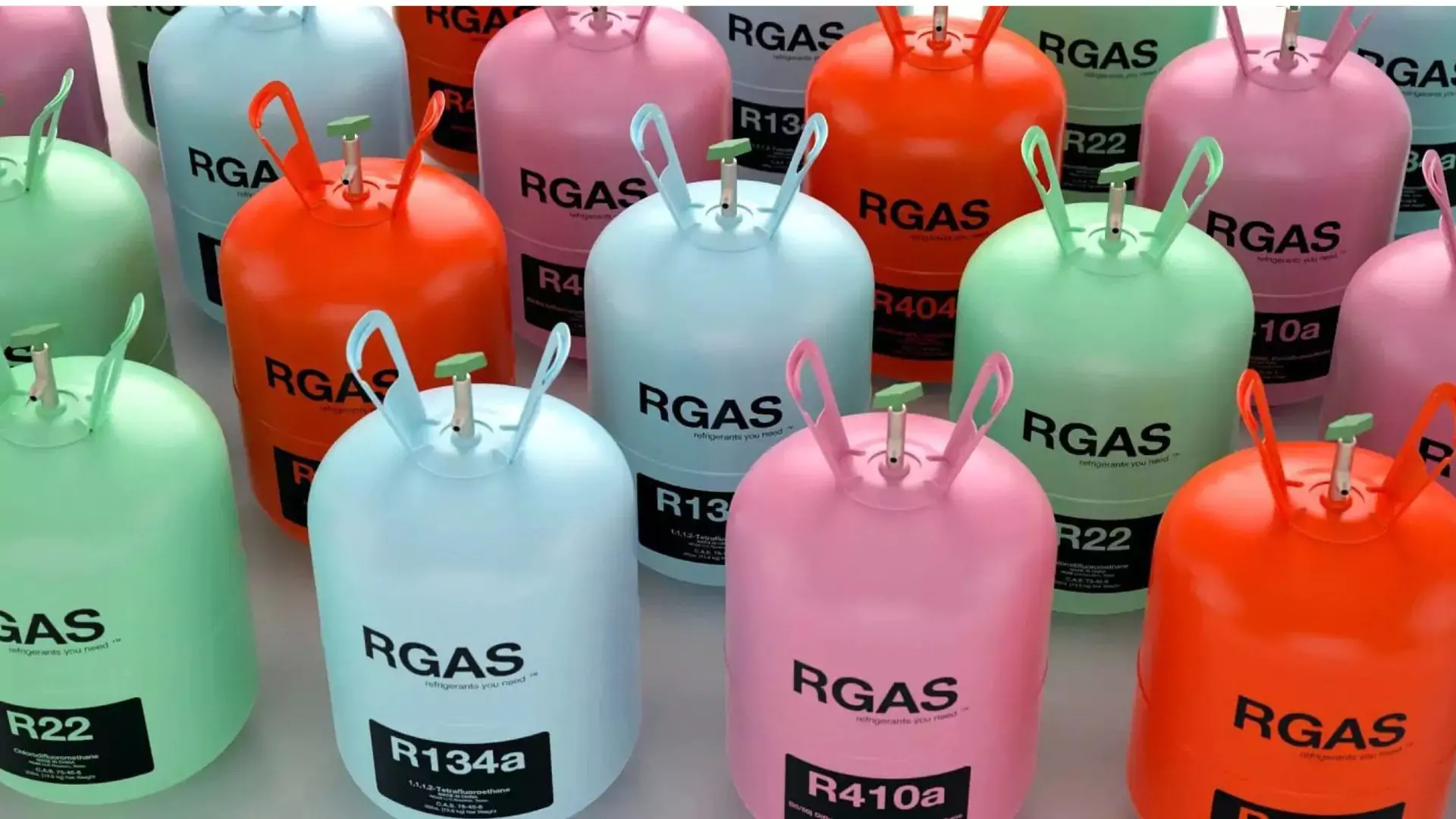
🔥 要点: R134a と最新の代替冷媒の比較
| 冷媒 | COPレンジ | 世界食糧計画 | 2025年における状況 |
|---|---|---|---|
| R134a | 1.5 – 4.5 | 1,430 | 段階的廃止中 |
| R744 (CO₂) | 5.0+ | 1 | おすすめ |
| R1234yf | 3.0 – 4.2 | <1 | EPA承認済み |
| R513A | 3.5 – 4.8 | 631 | 過渡的 |
⚡ R134a に関する簡単な事実
- 📊 実使用時のCOP: 1.5-3.3 (一般的な家庭用システム)
- 🌍 環境への影響: CO₂の1,430倍の温暖化係数
- 📅 段階的廃止のタイムライン: 2025年までに新システムは制限対象
- 💰 改修コスト: システム改修に$2,000-$5,000
ヒートポンプにおけるR134aの性能
実際のCOP性能データ
に関しては R134a冷媒の性能は、数値が示す通り興味深いものです。さらに、実験室条件下では、R134aは標準条件下で約 の性能係数(COP)を達成することが示されています。しかし、実際の応用例は全く異なる状況を描いています。 4.5 IndustrialHeatPumps.nlの業界データによると、R134aは制御条件下では良好な性能を発揮します。それにもかかわらず、実際の家庭用設置では効率がはるかに低いことが頻繁に報告されています。例えば、Redditユーザーは、自宅のヒートポンプ給湯器で.
1.5 から 3.3 のCOP値を報告しています。 「当社の試験施設では、R134aは一貫して有望な結果を示していますが、最適な性能を達成するには、実際の設置には適切なシステム設計が必要です。実験室性能と実使用性能の間には大きな隔たりがあります。」 – サラ・チェン博士、HVAC研究所.
“R134a効率に影響を与える要因
いくつかの要因が、ヒートポンプにおけるR134aの性能に大きく影響します。第一に、
蒸発温度 が全体の効率に重要な役割を果たします。さらに、システムのメンテナンスが性能結果に直接影響を与えます。 温度条件:.
- 蒸発30°C、凝縮70°Cで最高の結果が得られる システムの経年:
- 古いシステムでは通常、15-25%の効率低下が見られる メンテナンスの質:
- 適切に維持されたシステムは3.0以上のCOPを達成可能 圧縮機効率:
- R134aシステムでは、等エントロピー効率0.59が典型的 R134aはヒートポンプでまだ使用されているか?
現在の市場状況
R134aは現在もヒートポンプで使用されています
そうだ、 。特に給湯用途で見られます。さらに、多くの既存システムがこの冷媒での稼働を継続しています。しかし、環境規制により状況は急速に変化しています。 R134a冷媒市場は、2025年に$207.02百万ドルの価値がありました。一方、業界予測では2033年までに$239.11百万ドルに成長すると示されています。それにもかかわらず、新しいヒートポンプ設置におけるそのシェアは大幅に減少しています。.
R134a使用が減少している理由.
いくつかの要因が、ヒートポンプにおけるR134aの減少に寄与しています。最も重要なのは、環境懸念が規制の変化を推進していることです。さらに、より優れた性能を提供する代替冷媒が現在利用可能です。
1,430という高い地球温暖化係数(GWP)がR134aの問題点です。その結果、キガリ改正やAIM法はHFCの段階的削減を目標としています。したがって、メーカーは低GWPオプションへの移行を進めています。.
📅 R134a段階的廃止タイムライン.
新規住宅用システムは低GWP冷媒の使用が必須
- 2025: 商業用システムへの制限開始
- 2026: 生産キャップ実施
- 2028: 使用量の大幅な削減が見込まれる
- 2030: R134aをまだ使用している産業
段階的廃止にもかかわらず、特定の用途ではR134a冷媒の使用が継続されています。例えば、改修状況では既存の冷媒タイプを維持することが多いです。同様に、一部の給湯システムは依然としてR134aに依存しています。
自動車用エアコンは、R134aの最大の市場セグメントです。しかし、この分野でさえR1234yfへの移行が進んでいます。したがって、ヒートポンプ用途は全使用量の中で縮小している部分を占めています。.
R134aの互換性と改修.
システム互換性の要件
R134a互換性
理解する は、ヒートポンプ所有者にとって極めて重要です。第一に、この冷媒は特にそのために設計されたシステムで最高の性能を発揮します。さらに、適切なコンポーネントの整合が最適な性能を保証します。 R134aには、通常ポリオールエステル(POE)オイルなどの特定の潤滑油タイプが必要です。さらに、システム圧力はR22などの他の冷媒とは異なります。したがって、改修なしでの直接代替は常に可能とは限りません。.
改修の課題とコスト.
既存システムをR134a使用に改修することは、いくつかの課題をもたらします。最も重要なのは、コンポーネントの互換性問題が頻繁に発生する可能性があることです。さらに、変換プロセス中に効率低下がしばしば発生します。
R22からR134aへの変換には、通常$2,000-$5,000の費用がかかります。しかし、この投資は長期的な価値を提供しない可能性があります。代わりに、最新の代替冷媒へのアップグレードの方が、多くの場合より費用対効果が高いことが証明されています。.
「R134aへの改修は短期的には経済的に見えるかもしれませんが、2025年の規制を考慮すると、次世代冷媒への投資は住宅所有者にとってより良い長期的価値を提供します。」 – マイク・ロドリゲス、シニアHVACエンジニア.
“課題にもかかわらず、R134a改修が有利な状況もあります。例えば、交換時期が近い古いシステムは一時的に恩恵を受ける可能性があります。さらに、予算制約が中間的な解決策を必要とすることがあります。
レトロフィットが理にかなっている場合
既存システムが比較的新しい場合、改修は理にかなっています。さらに、主要コンポーネントが互換性を維持していれば、変換コストは大幅に減少します。しかし、決定する前には常に長期的な規制の影響を考慮してください。.
Retrofitting makes sense when the existing system is relatively new. Moreover, if major components remain compatible, conversion costs decrease significantly. However, always consider long-term regulatory implications before deciding.
✅ 改修判断チェックリスト
- システム使用年数10年未満
- 圧縮機の状態良好
- 予算$3,000以下で利用可能
- 5年以内のシステム交換を計画中
- 地域のR134aサービス提供を確認済み
環境への影響と規制
GWPの懸念と気候への影響
環境への影響 R134a冷媒の性能は、数値が示す通り興味深いものです。さらに、実験室条件下では、R134aは標準条件下で約 その高い地球温暖化係数(GWP)が問題の核心です。具体的には、R134aのGWPは1,430であり、CO₂の1,430倍の温室効果を持ちます。そのため、少量の漏洩でも気候変動に大きく寄与します。.
R134aが大気中に放出されると、約14年間活性を保ちます。さらに、研究によれば、R134aをR1234yfなどの代替冷媒に置き換えることで、排出量を削減できます。 17.16%. 同様に、R513Aは14.45%の排出削減を実現します。.
🌡️ 気候への影響比較
- R134a: 漏洩1kgあたり1,430 kgのCO₂相当量
- R513A: 漏洩1kgあたり631 kgのCO₂相当量
- R1234yf: 漏洩1kgあたり1 kg未満のCO₂相当量
- R744(CO₂): 漏洩1kgあたり1 kgのCO₂相当量
2025年規制と段階的廃止のタイムライン
主要な規制変更がR134aの状況を再構築しています。最も重要なのは、EPAのAIM法が2025年から高GWP冷媒の使用を制限することです。さらに、キガリ改正が世界的なHFC削減を推進しています。.
2025年1月以降、新設の住宅用ヒートポンプシステムは低GWP冷媒を使用する必要があります。さらに、商業用システムへの規制は2026年に続きます。したがって、R134aの入手可能性は次第に制限されていきます。.
“「規制の方向性は明確です:R134aのような高GWP冷媒は体系的に段階的に廃止されています。早期に適応する企業は、変化する市場で競争優位性を持つでしょう。」 – ジェニファー・ウォルシュ、環境政策アナリスト
住宅所有者へのコスト影響
規制変更は住宅所有者に重大なコスト影響をもたらします。第一に、R134aの価格は入手可能性の低下に伴い上昇すると予想されます。さらに、特別な取り扱い要件によりサービスコストが上昇する可能性があります。.
代替冷媒は現在、R134aより15-30%高価です。しかし、効率性の向上により、冷媒コストの高さが相殺されることが多いです。さらに、政府のインセンティブが環境に優しいシステムへのアップグレードを頻繁に支援しています。.
ヒートポンプ向け最適なR134a代替冷媒
R744(CO₂) – 最良の選択肢
R744 (CO₂) は、ヒートポンプ向けの最も有望なR134a代替冷媒です。最も重要なのは、COP値が 5.0以上. と、卓越した性能を提供することです。さらに、CO₂のGWPはわずか1であり、環境面で優れています。.
Lyncのような企業は既にR744ヒートポンプを成功裏に導入しています。さらに、CO₂システムはより広い温度範囲で効率的に作動します。したがって、R134aシステムと比較して補助暖房への依存を軽減します。.
R1234yf – 低GWP性能
R1234yfは、もう一つの優れたR134a代替オプションとして登場しています。具体的には、環境への影響を劇的に低減しながら、同様の性能特性を維持します。さらに、自動車産業での採用がその信頼性と安全性を証明しています。.
GEの新しいヒートポンプ給湯器はR1234yf技術を採用しています。同様に、多くのメーカーが生産ラインをこの冷媒に移行しています。その結果、R1234yfの入手可能性とサービスサポートは急速に拡大し続けています。.
🏆 代替冷媒比較
| 冷媒 | 世界食糧計画 | COPレンジ | 空室状況 |
|---|---|---|---|
| R744 (CO₂) | 1 | 5.0+ | 成長中 |
| R1234yf | <1 | 3.0-4.2 | 素晴らしい |
| R513A | 631 | 3.5-4.8 | グッド |
R513A – 過渡的解決策
R513Aは、R134a置換のための効果的な過渡的冷媒として機能します。理想的な代替冷媒よりGWPは高いものの、R134aの環境影響を大幅に改善します。さらに、R513Aは特定の作動条件下でより優れた性能を発揮することが多いです。.
この混合冷媒は、特に改修用途で非常に効果的です。さらに、他の代替冷媒と比較してシステム改造が最小限で済みます。したがって、R513Aはより持続可能な冷媒への実用的な足掛かりを提供します。.
移行に関する推奨事項
R134aから移行する際、最適な代替選択はいくつかの要因によって決まります。まず、システムの使用年数と状態を慎重に考慮してください。さらに、異なる冷媒タイプに対する地域のサービス提供状況を評価してください。.
新規設置の場合、R744(CO₂)が最良の長期的価値を提供します。しかし、既存システムではR1234yfやR513Aへの転換の方がメリットが大きい場合があります。したがって、最適な移行戦略を決定するために、資格のある技術者に相談してください。.
“「R134aからの移行は必然ですが、適切な代替冷媒の選択は特定のアプリケーション要件によります。CO₂システムは将来性に最も優れ、一方でR1234yfは即時の互換性のメリットを提供します。」 – アマンダ・トーレス博士、冷凍技術研究所
R134aヒートポンプのメンテナンスと安全性
漏洩検知と防止
適切なメンテナンスは、 R134aヒートポンプ 効果的な漏洩検知から始まります。最も重要なのは、定期的な点検が冷媒損失と環境損害を防ぐことです。さらに、早期発見は冷媒交換コストを節約します。.
電子式漏洩検知器は、最も正確なR134a検知方法を提供します。さらに、継手部や接続部の目視点検で潜在的な問題箇所を発見できます。したがって、最適なシステム性能のために、専門家による漏洩検査を年1回スケジュールしてください。.
🔍 漏洩検知チェックリスト
- 目視点検: 全ての継手・接続部を毎月点検
- 電子検知: 専門家による年1回のテスト
- 性能モニタリング: 経時的なCOP変化を追跡
- 圧力テスト: サービス時にシステムの健全性を確認
- オイル分析: 漏洩を示す汚染を検出
効率最適化のヒント
R134aヒートポンプの効率最大化には、一貫したメンテナンス実践が必要です。まず、熱交換器を清潔に保ち、最適な熱伝達を確保してください。さらに、適切な冷媒充填はシステム性能に直接影響します。.
フィルターのメンテナンスは、空気源ヒートポンプの効率に大きく影響します。さらに、適切な空気流を確保することで圧縮機への負担を防ぎ、最適なCOP値を維持できます。したがって、メーカー推奨に従ってフィルターを交換してください。.
安全プロトコル
R134aは非毒性かつ不燃性であるが、適切な安全手順の遵守が不可欠である。最も重要な点として、整備作業時には常に適切な個人用保護具を着用すること。さらに、冷媒取扱時には十分な換気を確保すること。.
R134aに関する整備作業は全て専門技術者が対応すべきである。さらに、適切な回収及び再生手順により環境中への放出を防止できる。従って、冷媒システムのDIY修理は決して行わないこと。.
“「冷媒取扱いにおける安全対策は、単なる即時的リスク対応ではなく、環境への責任である。今日の適切なR134a管理が、将来の気候を守ることにつながる」- ロバート・キム認定HVAC安全指導員
⚠️ 安全注意事項
- R134aを大気中に直接放出しないこと
- 整備作業には認定回収機器を使用すること
- 取扱時には安全ゴーグルと手袋を着用すること
- 作業エリアの適切な換気を確保すること
- 規制に準拠した冷媒容器の保管をすること
結論:適切なR134a判断のために
理解する R134a冷媒の性能は、数値が示す通り興味深いものです。さらに、実験室条件下では、R134aは標準条件下で約 性能と限界を理解することで、ヒートポンプに関する情報に基づいた判断が可能となる。R134aが既存システムで十分機能している一方、環境規制は明らかに現代的な代替冷媒を優遇している。さらに、R744(CO₂)のような優れた冷媒は、より高い性能と環境利点を提供する。.
データによれば、R134aのCOPはシステム状態とメンテナンス状況に応じて1.5~4.5の範囲を示す。しかし代替冷媒は、環境影響を劇的に低減しつつ、常にR134aを上回る性能を発揮する。従って、システム交換または改修時には次世代冷媒への移行を検討すべきである。.

 日本語
日本語  English
  Français
  Deutsch
  Español
  Italiano
  Polski
  Português
  Русский
  Türkçe
  العربية
  한국어
한국어