
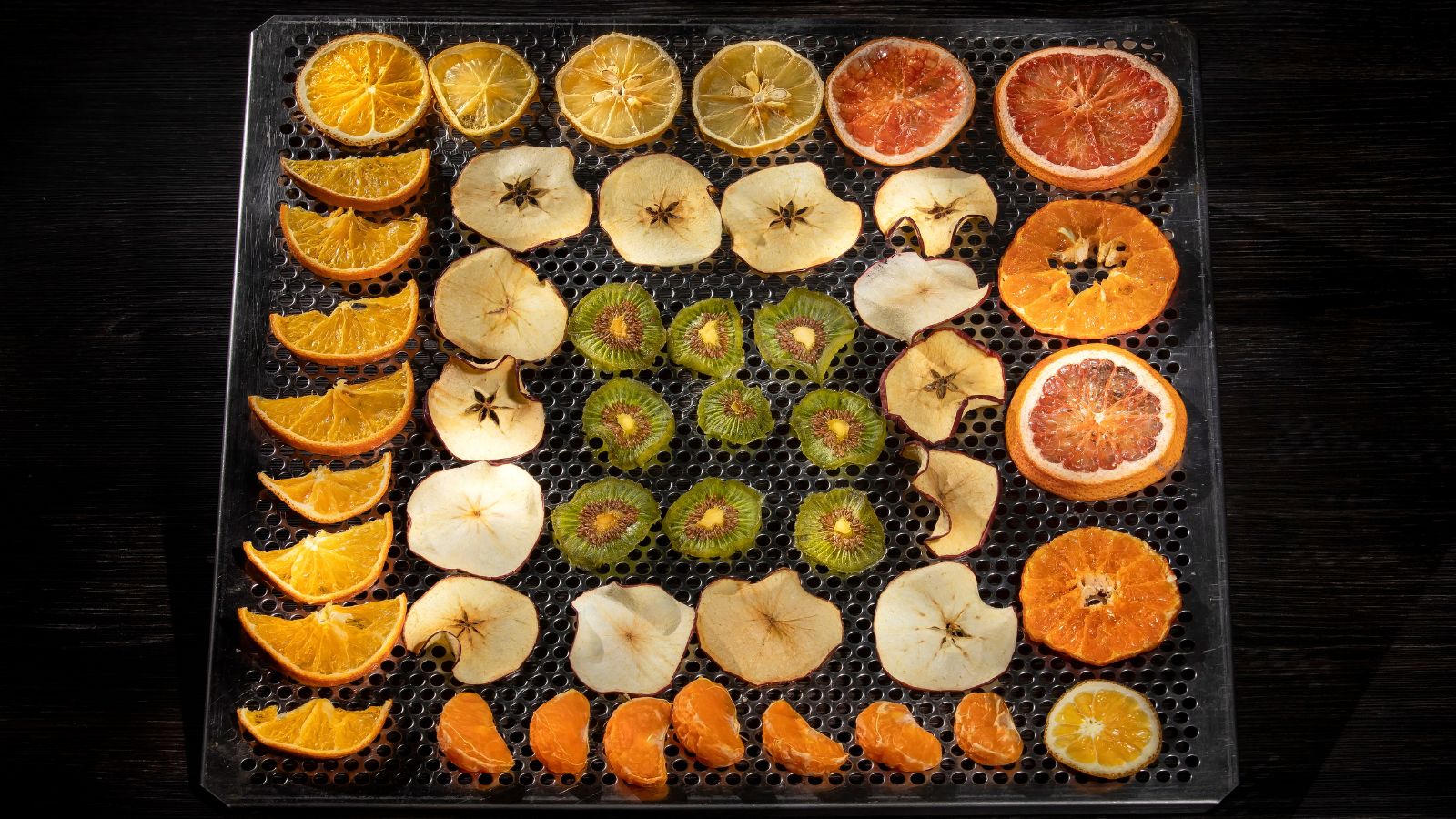
In today’s world, where energy efficiency and food quality are paramount concerns, heat pump food dryer machines have emerged as a revolutionary technology in the food preservation industry. These innovative devices combine advanced heat exchange systems with precise control mechanisms to provide superior drying results while significantly reducing energy consumption. This article explores the benefits, applications, and market trends of heat pump food dryer machines, providing valuable insights for both commercial users and home enthusiasts.
What Are Heat Pump Food Dryers?
Heat pump food dryers are sophisticated dehydration systems that utilize heat pump technology to remove moisture from various food products. Unlike conventional dryers that generate heat through electrical resistance or gas combustion, heat pump dryers recycle heat through a closed system, making them highly energy-efficient.
A heat pump dehydrator works by circulating refrigerant through a system of coils and compressors. The process involves extracting heat from the ambient air, concentrating it, and then using this concentrated heat to dry the food products. The moisture extracted from the food is condensed and removed, while the dry air is recirculated, creating a continuous drying cycle with minimal energy waste.
Key Benefits of Heat Pump Food Dryers
1. Superior Energy Efficiency
Heat pump food dryers stand out primarily for their remarkable energy efficiency. According to recent data, these systems use up to 70% less energy than traditional electric dehydrators or ovens. This efficiency stems from their ability to recycle heat rather than continually generating it.
Energy Consumption Comparison (2025 Data):
| Dryer Type | Energy Usage for 10-hour Operation | Operating Cost at $0.12/kWh |
|---|---|---|
| Conventional Electric Dehydrator | 7 kWh | $0.84 |
| مجفف المجفف بالمضخة الحرارية | 2.1 kWh | $0.25 |
| Oven Drying | 20 kWh | $2.40 |
Source: EcoTech Solutions, 2025 EcoTech Solutions
2. Better Nutrient and Flavor Preservation
Heat pump dryers operate at lower temperatures (typically 35°C-60°C) compared to conventional dryers, which helps preserve more nutrients, enzymes, and flavors in the dried food products.
Studies show that fruits dried using heat pump technology retain approximately 85% of their vitamin C content, while conventional drying methods can result in losses of up to 50%. This makes heat pump dryers particularly valuable for health-conscious consumers and producers of premium dried goods.
3. Precise Temperature and Humidity Control
Modern heat pump food dryers are equipped with advanced control systems that allow for precise adjustment of temperature and humidity levels. This precision ensures consistent quality and prevents over-drying or under-drying issues.
According to a 2024 industry report, heat pump dryers can maintain temperature accuracy within ±1°C and relative humidity control within ±2%, far superior to conventional drying methods.
4. Environmental Benefits
Heat pump dryers have significantly lower carbon footprints compared to conventional dryers. The global food heat pump dryers market report (2025) indicates that switching from traditional drying methods to heat pump technology can reduce CO₂ emissions by up to 80% for the same amount of food processed.
5. Climate-Independent Operation
Unlike solar dryers or open-air drying methods, heat pump food dryers function effectively regardless of external weather conditions. This makes them reliable tools for year-round food preservation in any climate, from tropical regions with high humidity to colder areas with limited sunlight.
Market Size and Growth Trends
The heat pump food dryer market is experiencing significant growth as businesses and consumers increasingly prioritize energy efficiency and food quality. According to market research data:
-
The global food heat pump dryers market size was valued at USD 2.5 billion in 2023 and is projected to reach USD 4.8 billion by 2032, growing at a compound annual growth rate of approximately 7.5% Dataintelo.
-
Industrial heat pump dryer market size was valued at USD 1.2 Billion in 2024 and is forecasted to grow at a CAGR of 9.2% from 2026 to 2033, indicating strong growth in commercial applications.
Applications of Heat Pump Food Dryers
التطبيقات التجارية والصناعية
Heat pump dryers are widely used in the commercial food processing industry for various applications:
-
Fruit and Vegetable Processing: Preserving seasonal produce while maintaining color, flavor, and nutritional value.
-
Meat Processing: Creating jerky and other dried meat products with consistent quality and safety.
-
Herb and Spice Production: Drying aromatic plants while preserving essential oils and flavor compounds.
-
Grain and Cereal Processing: Ensuring proper moisture levels for storage and processing.
-
Seafood Processing: Creating dried fish products with extended shelf life and preserved nutrients.
Home and Small-Scale Applications
Smaller heat pump dryers are becoming increasingly popular for home use and small businesses:
-
Home Food Preservation: Allowing families to preserve garden harvests and reduce food waste.
-
Artisanal Food Production: Enabling small-scale producers to create premium dried products.
-
Off-Grid Living: Providing reliable food preservation capabilities for off-grid homes due to lower energy requirements.
Types of Heat Pump Food Dryers
Based on Capacity
-
Small-Scale (Home) Units: These typically handle 5-25 kg of fresh food per batch and are designed for household use.
-
Medium-Scale Units: With capacities ranging from 50-200 kg, these are suitable for small businesses and farms.
-
Large-Scale Industrial Units: These can process several tons of food per day and are used in commercial food processing operations.
Based on Technology Features
-
Basic Heat Pump Dryers: Offer standard drying capabilities with manual controls.
-
Multi-Loop Systems: Feature enhanced air circulation for more uniform drying.
-
High-Temperature Units: Can reach temperatures up to 75°C-80°C for specialized applications.
-
Smart Controlled Systems: Equipped with digital interfaces, remote monitoring, and programmable drying cycles.
Technical Specifications and Performance Metrics
Key Performance Indicators for Heat Pump Dryers
Recent studies published in 2022 revealed impressive efficiency metrics for heat pump dryers:
- Energy efficiency ratings of up to 91.95%
- Power consumption reduction of 60-80% compared to conventional dryers
- Drying efficiency up to 95%
- Coefficient of performance (COP) up to 5
- Low drying temperatures up to 80°C
- Ability to maintain controlled relative humidity levels
Source: Comprehensive assessment of heat pump dryers
Example Technical Specifications
Looking at Zhongnuan’s Multi-Loop Heat Pump Dehydrator models as an example:
| الطراز | ZNKBHF-7HCHD/SN4-EVI | ZNKBHF-12HCHD/SN4-1 | ZNKBHF-14HCHD/SN4-EVI |
|---|---|---|---|
| Max Dehumidification | 26 كجم/ساعة | 40 كجم/ساعة | 50 كجم/ساعة |
| سعة التدفئة المقدرة | 24 كيلوواط | 44 كيلوواط | 48 كيلوواط |
| Heat Pump Input Power | 7.95 كيلوواط | 14.3 كيلوواط | 15.8 كيلوواط |
| Maximum Outlet Temp | 60°C | 60°C | 60°C |
| المبردات | R417A | R417A | R417A |
Source: Zhongnuan Heat Pump Dehydrators
Cost Considerations and ROI
Initial Investment vs. Long-Term Savings
Heat pump food dryers typically require a higher initial investment compared to conventional drying systems. However, their significant energy savings can provide attractive returns on investment, especially for commercial operations.
For commercial installations, ROI periods typically range from 2-5 years depending on usage patterns, energy costs, and production volumes. For smaller units used in homes or small businesses, the payback period may be longer but is offset by improved product quality and versatility.
Operating Cost Comparison
A commercial heat pump dryer with a loading capacity of 2500-3000kg typically has an energy consumption rate of only 25kW/h, making it significantly more cost-effective to operate than conventional dryers of similar capacity, which might consume 70-80kW/h.
People Also Ask About Heat Pump Food Dryers
What is a heat pump dryer in the food industry?
A Heat Pump Dehydrator is an energy-efficient drying system that uses heat pump technology to remove moisture from various foods and organic products. Unlike conventional dryers that simply generate heat, heat pump dryers recycle heat within a closed system, capturing and reusing energy that would otherwise be wasted. This makes them significantly more efficient while providing gentle, controlled drying conditions.
How energy-efficient are heat pump food dryers compared to conventional dryers?
Heat pump food dryers are 60-80% more energy-efficient than conventional electric or gas dryers. They achieve this by recycling heat and optimizing the drying process through advanced control systems. For example, while a conventional dryer might use 7 kWh of electricity for a 10-hour drying cycle, a heat pump dryer can accomplish the same task using only about 2.1 kWh.
Are heat pump dryers suitable for all types of food?
Yes, heat pump dryers are exceptionally versatile and can effectively dry a wide variety of foods including:
- Fruits and vegetables
- Meats and fish for jerky and preserved products
- Herbs and spices
- Grains and cereals
- Dairy products (for specific applications like yogurt bites)
- Nuts and seeds
Their ability to provide gentle, low-temperature drying makes them particularly suitable for heat-sensitive foods that would lose quality at higher temperatures.
How does the quality of food dried in heat pump dryers compare to conventional methods?
Heat pump-dried foods generally exhibit superior quality compared to conventionally dried products. The lower drying temperatures (typically 35°C-60°C) preserve more nutrients, natural colors, flavors, and aromas. Studies show that heat pump-dried fruits retain approximately 85% of their vitamin C content, while conventional methods might preserve only about 50%. Additionally, the controlled humidity and temperature result in more uniform drying and better texture.
What is the typical lifespan of a heat pump food dryer?
Commercial heat pump dryers are designed for durability and typically have lifespans of 10-15 years with proper maintenance. Smaller units designed for home use generally last 5-10 years. The actual lifespan depends on factors such as usage frequency, maintenance practices, and the quality of the original equipment. Most manufacturers offer warranties ranging from 1-5 years, with Zhongnuan products featuring a 12-month warranty.
Can heat pump dryers be used for organic food production?
Yes, heat pump dryers are ideal for organic food production. Their lower temperature operation helps preserve the natural qualities and nutritional value that organic producers prioritize. Additionally, the closed-system design prevents contamination from external sources, and the absence of direct combustion eliminates any risk of exposing food to combustion byproducts.
Future Trends in Heat Pump Food Dryer Technology
1. IoT Integration and Smart Monitoring
The next generation of heat pump food dryers is incorporating IoT (Internet of Things) technology to allow remote monitoring and control. This enables:
- Real-time tracking of drying parameters
- Automated adjustments based on food type and quality
- Predictive maintenance to prevent downtime
- Data collection for process optimization
2. Enhanced Energy Efficiency
Ongoing research is focused on further improving the already impressive energy efficiency of heat pump dryers. Innovations include:
- Advanced heat recovery systems that can capture up to 95% of waste heat
- Integration with renewable energy sources like solar PV systems
- Multi-stage heat pump systems for optimized energy usage
3. Hybrid Systems
Hybrid drying systems that combine heat pump technology with other drying methods are gaining popularity. Examples include:
- أنظمة مضخة حرارة + تجفيف شمسي التي تستفيد من كلا التقنيتين
- أنظمة مضخة حرارة + ميكروويف للتجفيف المتسارع دون فقدان الجودة
- أنظمة مضخة حرارة + تفريغ للمنتجات الحساسة للحرارة
وفقاً لـ "ماليوتريشن ماترز"، يمكن لمجففات مضخة الحرارة الهجينة والشمسية معالجة ما يصل إلى 150 كجم من المنتجات الغذائية الرطبة يومياً، باستخدام فقط 3 حصان من الطاقة عبر 40 رف تجفيف، مما يظهر إمكانات هذه الأساليب المدمجة.
اختيار مجفف الطعام بمضخة الحرارة المناسب
العوامل التي يجب مراعاتها
عند اختيار مجفف الطعام بمضخة الحرارة، ضع في الاعتبار العوامل التالية:
-
متطلبات السعة: حدد حجم الطعام الذي تحتاج إلى معالجته يومياً أو لكل دفعة.
-
أنواع الأطعمة: قد تتطلب الأطعمة المختلفة إعدادات محددة لدرجة الحرارة والرطوبة.
-
قيود المساحة: ضع في الاعتبار الأبعاد الفعلية ومتطلبات التثبيت.
-
تكاليف الطاقة: احسب المدخرات المحتملة بناءً على أسعار الطاقة المحلية لديك.
-
ميزات التحكم: قيّم حاجتك للتحكم الآلي مقابل التشغيل اليدوي.
-
الميزانية: وازن بين الاستثمار الأولي والمدخرات التشغيلية طويلة المدى.
الميزات الموصى بها للتطبيقات المختلفة
بالنسبة لـ الاستخدام المنزلي:
- الاستخدام المنزلي
- السعة: 5-25 كجم لكل دفعة
- الطاقة: 1-2 كيلووات
- نطاق درجة الحرارة: 35°C-60°C
- تصميم مدمج مع صواني قابلة للتراص
بالنسبة لـ ضوابط سهلة الاستخدام:
- استخدام الأعمال الصغيرة
- السعة: 50-200 كجم لكل دفعة
- الطاقة: 5-15 كيلووات
- نطاق درجة الحرارة: 35°C-75°C
- قدرات تجفيف متعددة المراحل
بالنسبة لـ أنظمة تحكم رقمية مع تسجيل البيانات:
- التطبيقات الصناعية
- السعة: 500+ كجم لكل دفعة
- الطاقة: 15-50+ كيلووات
- نطاق درجة الحرارة: 35°C-80°C
- أنظمة تحكم مؤتمتة بالكامل
- قدرات المراقبة عن بُعد
الخاتمة
التكامل مع خطوط الإنتاج الحالية.
تمثل آلات تجفيف الطعام بمضخة الحرارة تقدماً كبيراً في تقنية حفظ الأغذية، حيث تقدم كفاءة طاقة فائقة، وجودة غذاء أفضل، وتأثيراً بيئياً مخفضاً مقارنة بطرق التجفيف التقليدية. مع استمرار نمو السوق وتقدم التكنولوجيا، يمكننا توقع أن تصبح مجففات مضخة الحرارة أكثر سهولة في الوصول وتعدداً في الاستخدامات، مما يفيد المنتجين التجاريين والمستخدمين المنزليين على حد سواء.
إن التحول العالمي نحو الممارسات المستدامة وكفاءة الطاقة يقود الابتكار السريع في هذا القطاع، حيث تشير توقعات السوق إلى نمو كبير حتى عام 2032. بالنسبة للشركات في صناعة معالجة الأغذية، يمكن أن يوفر الاستثمار في تقنية تجفيف مضخة الحرارة ميزة تنافسية من خلال خفض تكاليف التشغيل وتحسين جودة المنتج. بالنسبة للمستخدمين المنزليين، تقدم مجففات مضخة الحرارة الصغيرة طريقة موفرة للطاقة لحفظ الطعام مع الحفاظ على القيمة الغذائية والنكهة.
سواء كنت منتجاً تجارياً تتطلع إلى تحسين العمليات، أو هاوياً منزلياً مهتماً بحفظ الأغذية، فإن تكنولوجيا تجفيف الطعام بمضخة الحرارة تقدم فوائد مقنعة تجعلها جديرة بالنظر كطريقة الحفظ المختارة للمستقبل. Zhongnuan Heat Pump Dehydrators لمزيد من المعلومات حول مجففات مضخة الحرارة والموديلات المتاحة، قم بزيارة.

 العربية
  English
  Français
  Deutsch
  Español
  Italiano
  Polski
  Português
  Русский
  Türkçe
  日本語
日本語  한국어
한국어